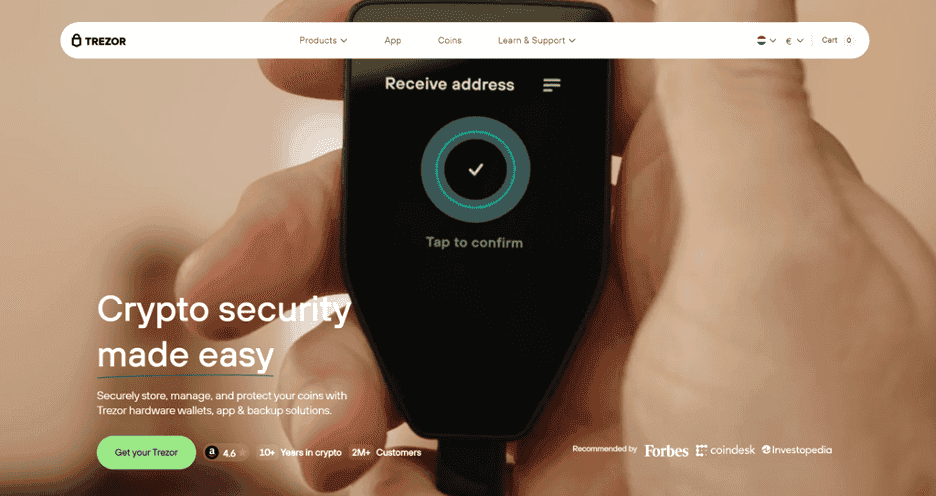
Trezor Bridge: Complete Guide to Setting Up and Using Your Trezor Hardware Wallet
In the rapidly growing world of cryptocurrency, securing digital assets is more important than ever. Hardware wallets provide a safe and reliable way to manage private keys offline, preventing exposure to hacks, malware, or phishing attacks. Trezor, one of the leading hardware wallet providers, relies on Trezor Bridge, a key component that allows secure communication between the Trezor device and your computer. This guide explains everything you need to know about Trezor Bridge, including installation, setup, usage, security practices, and troubleshooting.
Whether you are a new user or an experienced crypto holder, understanding Trezor Bridge is essential to ensure seamless and secure operation of your Trezor device.
What Trezor Bridge Is
Trezor Bridge is a software program that acts as an intermediary between your Trezor hardware wallet and your computer’s web browser. Its primary purpose is to facilitate secure communication between the device and Trezor Suite or compatible web applications. Without Trezor Bridge, your computer cannot recognize or interact with the hardware wallet properly.
Trezor Bridge ensures that:
Data sent between the Trezor device and your computer remains encrypted.
Transactions are securely signed on the device itself.
Web browsers can communicate with Trezor devices without requiring direct USB control.
Understanding Trezor Bridge is important because it enables your device to operate safely across different platforms and browsers.
Why Trezor Bridge Is Important
Hardware wallets like Trezor are secure because private keys never leave the device. However, the device must still interact with your computer to send and receive transactions, manage accounts, and update firmware. Trezor Bridge handles these interactions in a secure, standardized way.
Without Trezor Bridge:
The computer cannot detect the Trezor device reliably.
Browsers cannot access the wallet for transaction signing.
Some web-based cryptocurrency services will not function properly with Trezor.
Installing Trezor Bridge ensures smooth operation while maintaining the security model that makes Trezor devices safe.
System Requirements for Trezor Bridge
Before installing Trezor Bridge, make sure your system meets the following requirements:
Operating System: Windows 8 or newer, macOS 10.12 or newer, or Linux (64-bit).
Browser: Latest versions of Chrome, Firefox, Edge, or Brave.
Hardware: USB port for connecting the Trezor device.
Security: Device should not have malware or suspicious software installed.
Meeting these requirements ensures that Trezor Bridge works correctly and your device remains secure.
Installing Trezor Bridge
The installation of Trezor Bridge is straightforward but must be done carefully to ensure security. Here is a step-by-step overview:
Download the software from the official source: Always ensure that you download Trezor Bridge from the official Trezor website to avoid counterfeit software.
Run the installer: Follow the prompts for your operating system. On Windows, you may need administrative permissions.
Complete installation: Once installed, Trezor Bridge runs in the background to facilitate communication with your device.
Restart your browser: After installation, restart your web browser to ensure proper detection.
Once Trezor Bridge is installed, your Trezor device can be recognized by Trezor Suite and compatible web apps.
Setting Up Your Trezor Device with Trezor Bridge
After installing Trezor Bridge, setting up a new Trezor wallet involves several steps:
Connect the Trezor device: Plug your device into the USB port.
Open Trezor Suite or supported web application: The software will detect the device via Trezor Bridge.
Follow initialization prompts: For new devices, you will create a PIN code and generate a recovery phrase.
Confirm recovery phrase: The device will ask you to verify the recovery phrase by selecting words in the correct order.
Install cryptocurrency apps: Depending on the coins you want to manage, you can install apps on your device using Trezor Suite.
Trezor Bridge ensures that all these steps occur securely and that the device communicates safely with the software.
PIN Code and Recovery Phrase
During setup, you will establish a PIN code and recovery phrase:
PIN Code: Required each time you use the device. Choose a code that is not easily guessable.
Recovery Phrase: A 12- or 24-word seed phrase that allows you to recover your wallet if the device is lost or damaged.
Never store your recovery phrase digitally, and never share it with anyone. The combination of a secure PIN and properly stored recovery phrase protects your funds even if your device is compromised physically.
Using Trezor Bridge with Trezor Suite
Trezor Suite is the official desktop and web interface for managing your Trezor wallet. Trezor Bridge allows the Suite to:
Detect your device
Synchronize accounts and balances
Send and receive cryptocurrency
Install and manage apps
Update firmware securely
All communication is encrypted, and sensitive operations, such as signing transactions, always occur directly on the hardware wallet. This ensures that private keys never leave the device.
Sending and Receiving Cryptocurrency
Once your Trezor wallet is set up, Trezor Bridge enables you to send and receive funds securely.
Receiving funds:
Generate a receiving address in Trezor Suite.
Verify the address on the Trezor device screen.
Share the address only after verification.
Sending funds:
Enter the recipient address and amount in the Suite.
Confirm the transaction on the Trezor device.
Only after device confirmation is the transaction signed and broadcast.
The two-step verification ensures that malware or compromised software cannot manipulate transaction details.
Firmware Updates via Trezor Bridge
Trezor Bridge also facilitates firmware updates. Firmware updates are essential for:
Security improvements
Bug fixes
Compatibility with new cryptocurrencies
When updating firmware, always:
Confirm the update directly on the device
Avoid disconnecting the device during the process
Verify update instructions before starting
Keeping firmware up to date ensures long-term security and stability.
Troubleshooting Trezor Bridge
Sometimes, users may encounter issues with Trezor Bridge. Common issues and solutions include:
Device not detected: Ensure Trezor Bridge is installed and the USB connection is secure. Restart your browser and try a different USB port if needed.
Browser compatibility issues: Use the latest version of a supported browser like Chrome or Firefox.
Software conflicts: Ensure no other programs are blocking USB access. Antivirus or firewall software may sometimes interfere.
Failed updates: Restart the Suite and reconnect the device. Retry the firmware update.
Following these troubleshooting steps usually resolves most common problems.
Security Best Practices
Even with Trezor Bridge, security relies on safe user practices. Recommendations include:
Always download Trezor Bridge and Suite from official sources.
Keep your recovery phrase offline and secure.
Use a strong, unique PIN code.
Avoid using public or untrusted computers.
Keep firmware and software up to date.
Be vigilant against phishing attempts.
By following these best practices, your Trezor wallet remains one of the safest ways to store cryptocurrency.
Common Mistakes to Avoid
Users often make mistakes that compromise security, such as:
Downloading software from unofficial sources
Sharing the recovery phrase with anyone
Using weak PIN codes
Plugging the device into public or untrusted computers
Ignoring firmware updates
Avoiding these mistakes is essential for long-term protection of your digital assets.
Long-Term Maintenance
Using Trezor Bridge ensures proper communication between the device and software, but long-term maintenance is also crucial:
Regularly check for software and firmware updates
Periodically verify your recovery phrase
Securely store your device and backup recovery phrases
Avoid unnecessary exposure of your device in public places
Monitor your accounts regularly for unusual activity
Consistent maintenance keeps your cryptocurrency safe and ensures smooth operation.
Conclusion
Trezor Bridge is an essential component for securely connecting your Trezor hardware wallet to your computer. It enables safe communication with Trezor Suite and compatible web applications, facilitating setup, sending and receiving cryptocurrency, firmware updates, and account management. By understanding and using Trezor Bridge properly, you maintain the highest level of security while enjoying the convenience of hardware wallet functionality.
Installing Trezor Bridge correctly, following setup instructions, securing your recovery phrase, using a strong PIN, and adhering to long-term best practices ensures that your digital assets remain safe from online threats and unauthorized access. For anyone using a Trezor device, mastering Trezor Bridge is a crucial step toward secure, self-custodied cryptocurrency management.