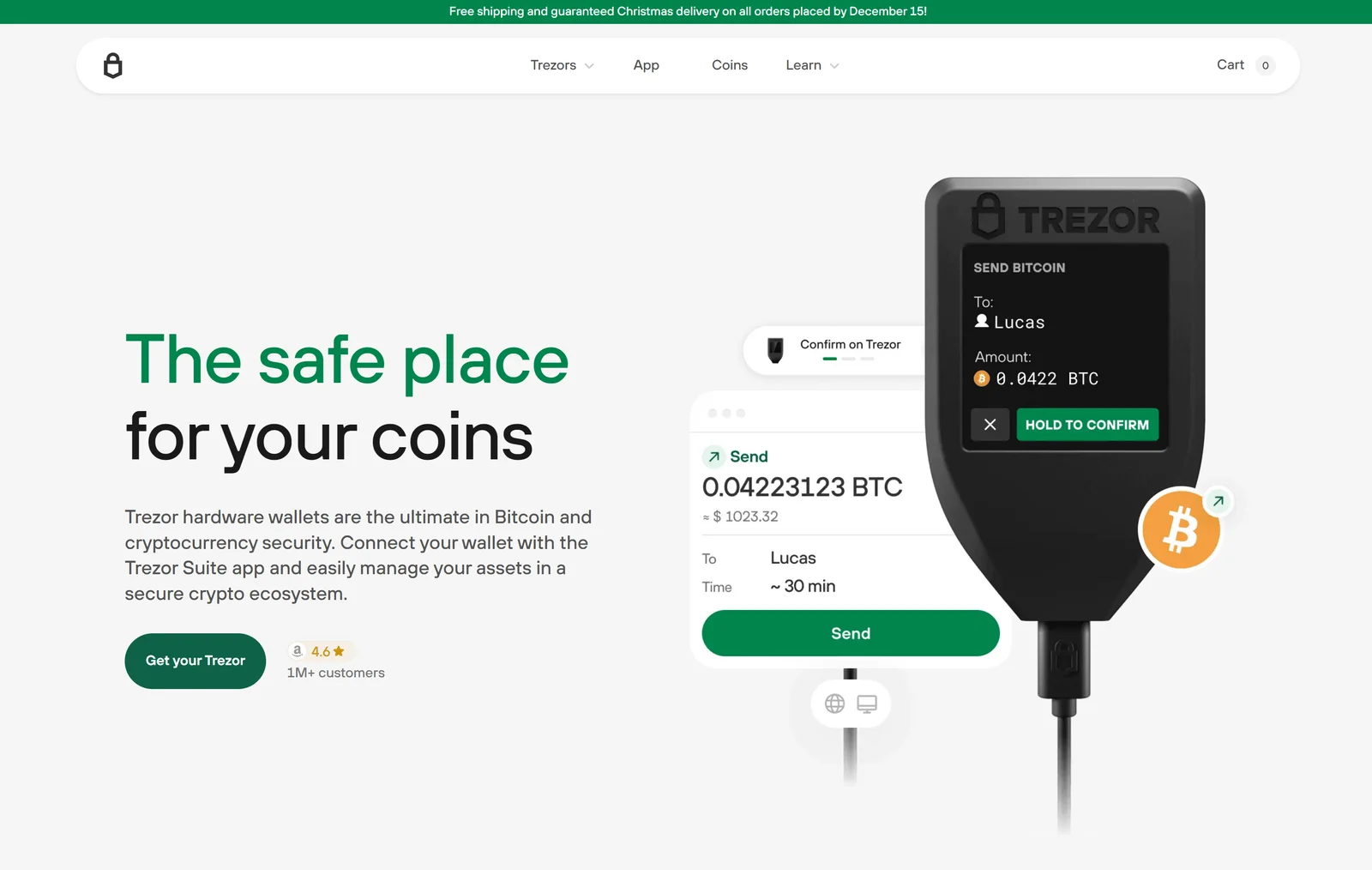
Understanding Trezor Bridge: Complete Guide for Secure Cryptocurrency Management
Managing cryptocurrency securely requires both a reliable hardware wallet and trusted software to communicate with it. Trezor hardware wallets, such as the Trezor One and Trezor Model T, are widely recognized for their security, but they need a bridge application to connect to your computer or browser. That application is Trezor Bridge.
This guide explains what Trezor Bridge is, why it is important, how to install and use it, and best practices for keeping your digital assets safe. It is designed for beginners and experienced users alike, providing a detailed understanding of this essential component in Trezor’s ecosystem.
What Is Trezor Bridge?
Trezor Bridge is a software application that allows your Trezor hardware wallet to communicate securely with your computer, browser, or operating system. Unlike standalone software that manages wallets, Trezor Bridge acts as an intermediary, enabling secure, encrypted communication between your device and Trezor Suite, the desktop or web application used for managing cryptocurrency.
Without Trezor Bridge, your computer cannot interact safely with your Trezor device. It ensures:
Secure USB or network communication
Verified transaction signing
Safe transfer of information between your device and Trezor Suite
Protection against unauthorized access or malware
Trezor Bridge is essential for both initial setup and daily usage of your Trezor wallet.
Why Trezor Bridge Is Important
Cryptocurrency transactions are irreversible, and a single security mistake can result in the permanent loss of funds. Trezor Bridge addresses several critical security and functional concerns:
1. Secure Communication
All commands between your Trezor wallet and your computer pass through Trezor Bridge. This ensures that sensitive information, including public addresses and transaction requests, is transmitted securely.
2. Device Compatibility
Trezor hardware wallets can be used on Windows, macOS, Linux, and some mobile platforms. Trezor Bridge provides consistent compatibility across these systems, allowing seamless interaction with Trezor Suite.
3. Safe Transaction Signing
When you approve a transaction on your Trezor device, Trezor Bridge ensures that the signed data is safely returned to your computer or application. It prevents malware or phishing attempts from altering transactions.
4. Browser Integration
Trezor Bridge allows Trezor devices to connect with web-based applications securely, such as cryptocurrency exchanges or Web3 platforms, without exposing private keys to the internet.
Preparing to Install Trezor Bridge
Before installing Trezor Bridge, ensure you have the following:
A genuine Trezor hardware wallet (Trezor One or Model T)
A computer running Windows, macOS, or Linux
A stable internet connection
USB cable provided with the Trezor device
Administrative access to install software on your computer
Preparing these elements ensures that installation is smooth and secure.
Installing Trezor Bridge
Follow these steps to install Trezor Bridge on your computer:
1. Download Trezor Bridge
Download the official Trezor Bridge installer compatible with your operating system. Ensure you obtain the software from the official source to avoid counterfeit or malicious software.
2. Run the Installer
On Windows: Run the
.exefile and follow on-screen instructions.On macOS: Open the
.dmgfile and drag Trezor Bridge to your Applications folder.On Linux: Follow the distribution-specific instructions to install the
.debor.tar.gzpackage.
Administrative privileges are required to complete installation.
3. Complete the Installation
Follow the prompts until the installation is complete. Once installed, Trezor Bridge will run in the background and manage communication with your Trezor device whenever it is connected.
Connecting Your Trezor Device via Trezor Bridge
After installation:
Connect your Trezor device to your computer using the USB cable.
Open Trezor Suite or compatible browser-based wallet management interface.
Trezor Bridge will automatically detect your device.
Follow the prompts on your device screen to confirm the connection.
Your computer and Trezor wallet are now securely paired, ready for setup, transactions, or account management.
Setting Up Your Trezor Wallet Using Trezor Bridge
Trezor Bridge is required to complete the initial setup of a new Trezor device:
1. Start Trezor Suite
Open Trezor Suite on your computer. The application will communicate with your device through Trezor Bridge.
2. Initialize a New Wallet
Select the option to set up a new device. Trezor Bridge ensures secure communication while your device generates a recovery seed.
3. Create a PIN
Your device will prompt you to create a PIN. Trezor Bridge transmits the encrypted PIN setup commands from your computer to your device. The PIN is stored only on the Trezor device and never transmitted in plaintext.
4. Generate a Recovery Seed
The recovery seed, consisting of 12, 18, or 24 words, is generated on the device. Trezor Bridge facilitates communication for seed verification and account setup, but the seed itself is never exposed to your computer.
5. Confirm Device Authenticity
Trezor Bridge checks firmware integrity during setup. Your device will display a verification process to confirm that it has not been tampered with.
Adding Cryptocurrency Accounts
Once the wallet is initialized:
Use Trezor Suite to add cryptocurrency accounts.
Trezor Bridge ensures secure communication while retrieving addresses and public keys.
Your private keys never leave the Trezor device; all signing occurs internally.
You can now receive cryptocurrency, monitor balances, and prepare transactions securely.
Sending and Receiving Cryptocurrency Safely
With Trezor Bridge:
Receiving funds: Your public address is sent from the Trezor device to the computer or browser securely.
Sending funds: Transaction requests are transmitted through Trezor Bridge, signed on the device, and returned to the computer for broadcasting to the blockchain.
Trezor Bridge guarantees that transactions are authentic and cannot be altered by malware on your computer.
Security Best Practices with Trezor Bridge
Even with Trezor Bridge, users must follow security best practices:
1. Keep Software Up to Date
Regularly update Trezor Bridge and Trezor Suite to ensure you have the latest security patches.
2. Verify Your Device
Always confirm that the device firmware and authenticity checks pass during setup and updates.
3. Protect Your Recovery Seed
Never enter your recovery seed into a computer, phone, or website. Store it offline in a secure location.
4. Use Trusted Computers
Connect your Trezor device only to trusted devices to prevent exposure to malware.
5. Confirm Transactions on Device
Always check the transaction details on your Trezor device before approving. Do not rely solely on the computer interface.
6. Avoid Suspicious Websites
Be cautious when connecting your Trezor to third-party platforms. Ensure the website is reputable and secure.
Troubleshooting Common Issues with Trezor Bridge
Some users may encounter issues while using Trezor Bridge. Common solutions include:
Device not detected: Ensure Trezor Bridge is installed correctly and running. Restart the computer if necessary.
Browser connectivity issues: Clear browser cache or restart the browser. Make sure Trezor Bridge is running.
Firmware errors: Check Trezor Suite for available firmware updates and follow the update instructions.
USB connection problems: Try a different USB port or cable. Avoid USB hubs when possible.
Following official instructions and using only trusted devices prevents most issues.
Updating Trezor Bridge
Trezor Bridge updates improve security and compatibility. To update:
Download the latest version from the official source.
Install it over the existing version.
Restart Trezor Suite and reconnect your device.
Regular updates ensure secure operation and compatibility with new features.
Recovering a Wallet Using Trezor Bridge
If your Trezor device is lost, damaged, or stolen, you can restore your wallet using your recovery seed:
Obtain a new Trezor device.
Connect it via Trezor Bridge.
Select “Recover wallet” during setup.
Enter your recovery seed directly on the device.
Reinstall cryptocurrency accounts in Trezor Suite.
With Trezor Bridge, the recovery process is secure, and your private keys remain protected.
Everyday Tips for Using Trezor Bridge
Ensure Trezor Bridge is running whenever you use your Trezor device.
Only connect to trusted computers and networks.
Perform small test transactions when using new features or accounts.
Maintain offline backups of your recovery seed.
Regularly check for software updates.
By following these tips, you minimize security risks and ensure smooth wallet operation.
Conclusion
Trezor Bridge is an essential component for securely using Trezor hardware wallets. It provides a safe communication channel between your device and your computer or browser, enabling secure setup, account management, and cryptocurrency transactions.
By installing Trezor Bridge properly, keeping it up to date, and following security best practices, users can confidently manage their cryptocurrency without exposing private keys to the internet. Hardware wallets like Trezor, combined with Trezor Bridge, give you full control over your digital assets while maintaining a high level of security.
Understanding and using Trezor Bridge correctly ensures a reliable and secure cryptocurrency management experience, whether you are just setting up a new wallet or handling large volumes of digital assets.